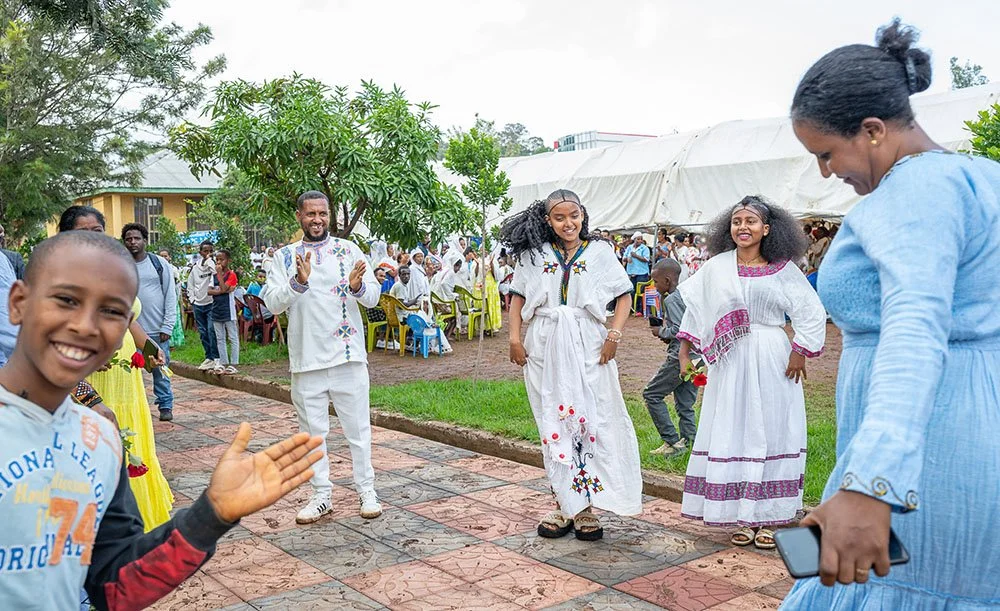
Returning to Ethiopia
Please watch the short video above that highlights our return to Ethiopia, read the story below, and check out many photos as well.
Every time I return to Ethiopia, it seems there is so much happening in the first couple of weeks that it feels like much more time has passed than two weeks. We decided the best way to get back to Ethiopia would be to fly out of Atlanta on a direct flight to Ethiopia. I wanted to avoid layovers in the Middle East with the ongoing conflict. Usually, we fly through Dubai, UAE, or Doha, Qatar. Ethiopian Airlines is significantly more expensive than Qatar and even Emirates, so we realized we could save several thousand dollars if we flew with nine of our twelve children out of Atlanta. The logistics of even getting to Atlanta with 61 boxes and the family were quite complicated, even more than I had anticipated, but God made a way.
The first challenge was renting the cargo van. There were no off-hour drop-offs allowed, which meant that we would likely miss our flight if we had to drop the van off and be back for the 10:30 a.m. flight. Then God miraculously introduced me to new friends, Leonard and Alicia, who I met through another friend. They live near the Atlanta Airport, and they said they would be happy to help in any way possible. You can see Leonard here in the photo in the early morning helping with the luggage.
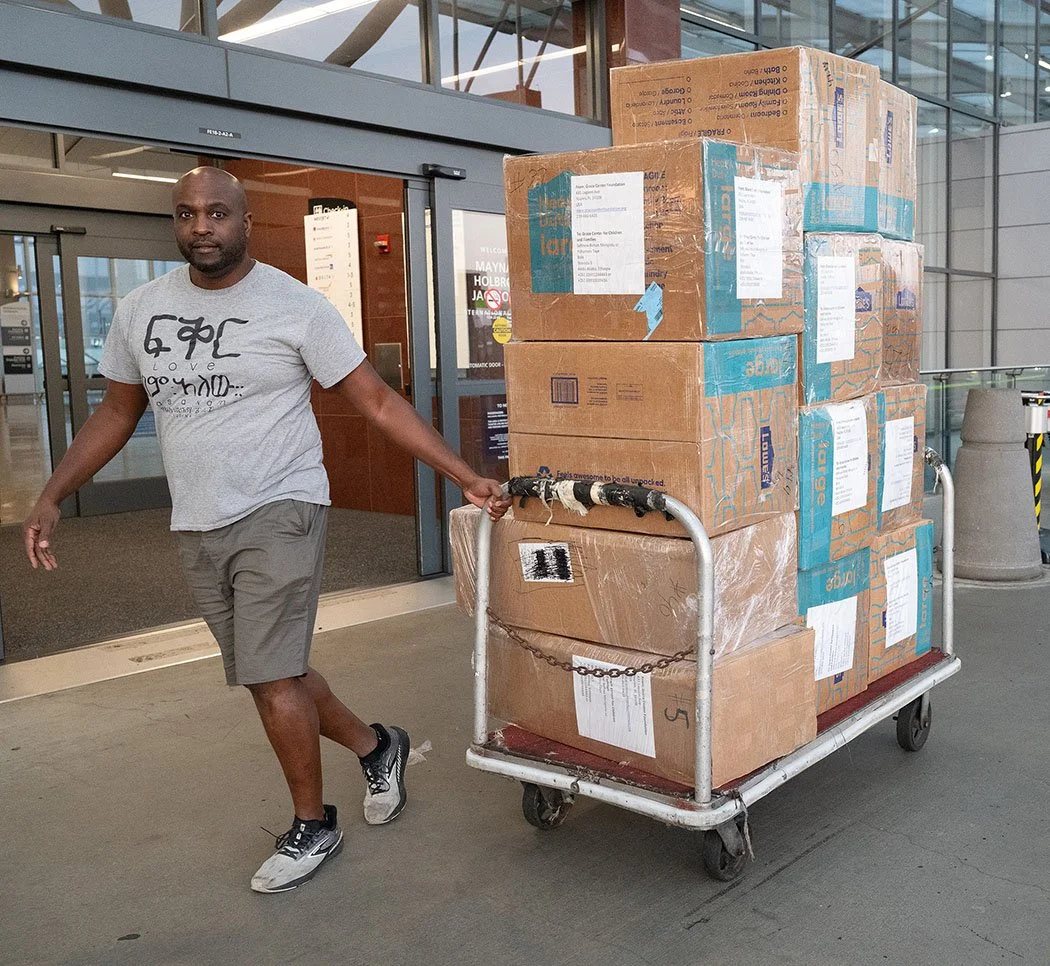
Our new friend, Leonard, helping with our boxes
Our friend who is also an amazing photographer Theresa Finck also came with us. These are her photos, and please look at her work at TheresaFinckPhotography.com. If you have been to our event in the last two years, she and her husband James have generously donated their time and talents as our event photographers. We were so grateful to have her with us as well.
A few days before our departure from Naples, a friend of ours, Chris Scheoner, stepped up and even offered to drive the cargo van for us from Naples to Atlanta. That was another amazing answer to prayer.
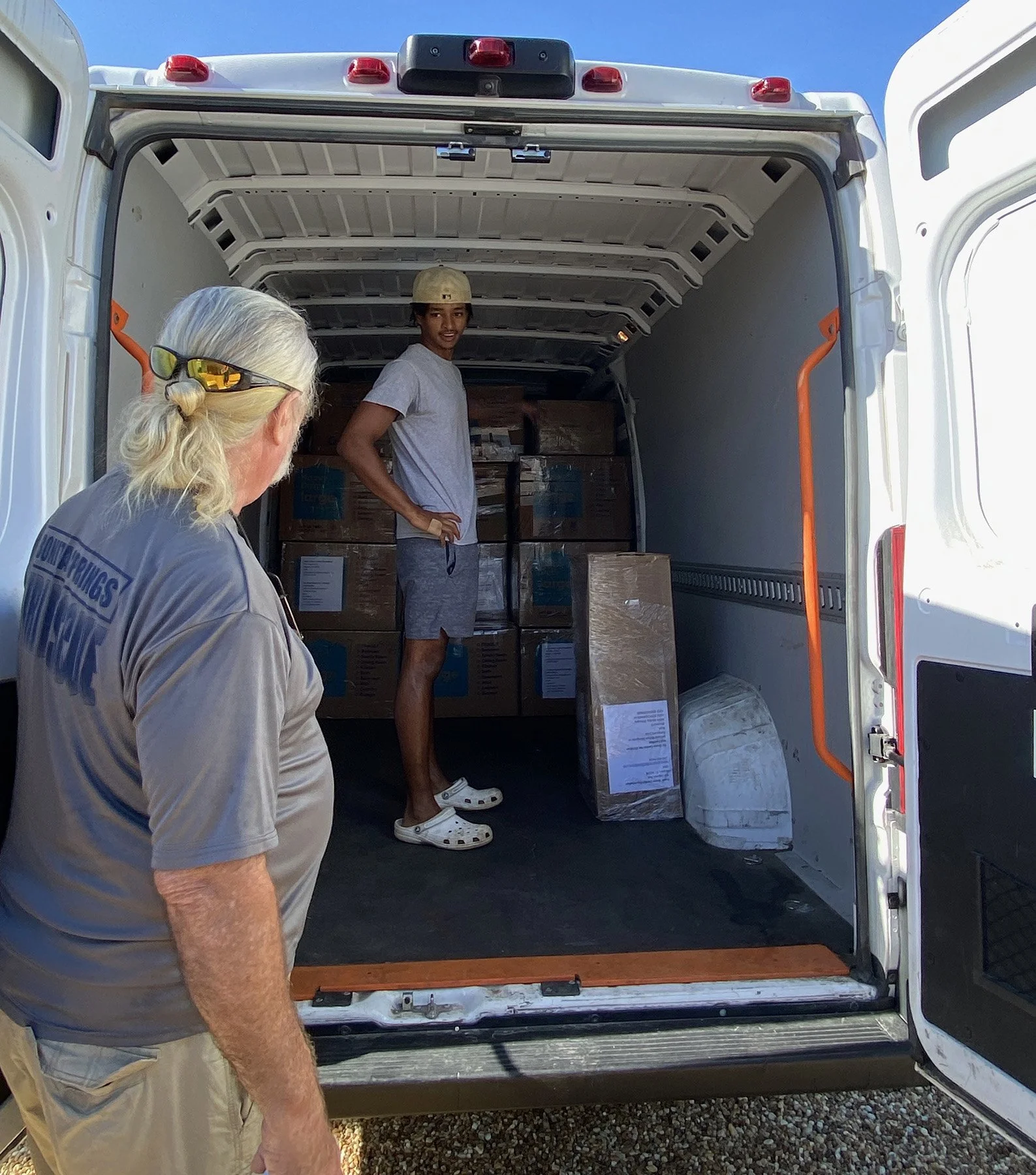
Chris and James loading up the cargo van.
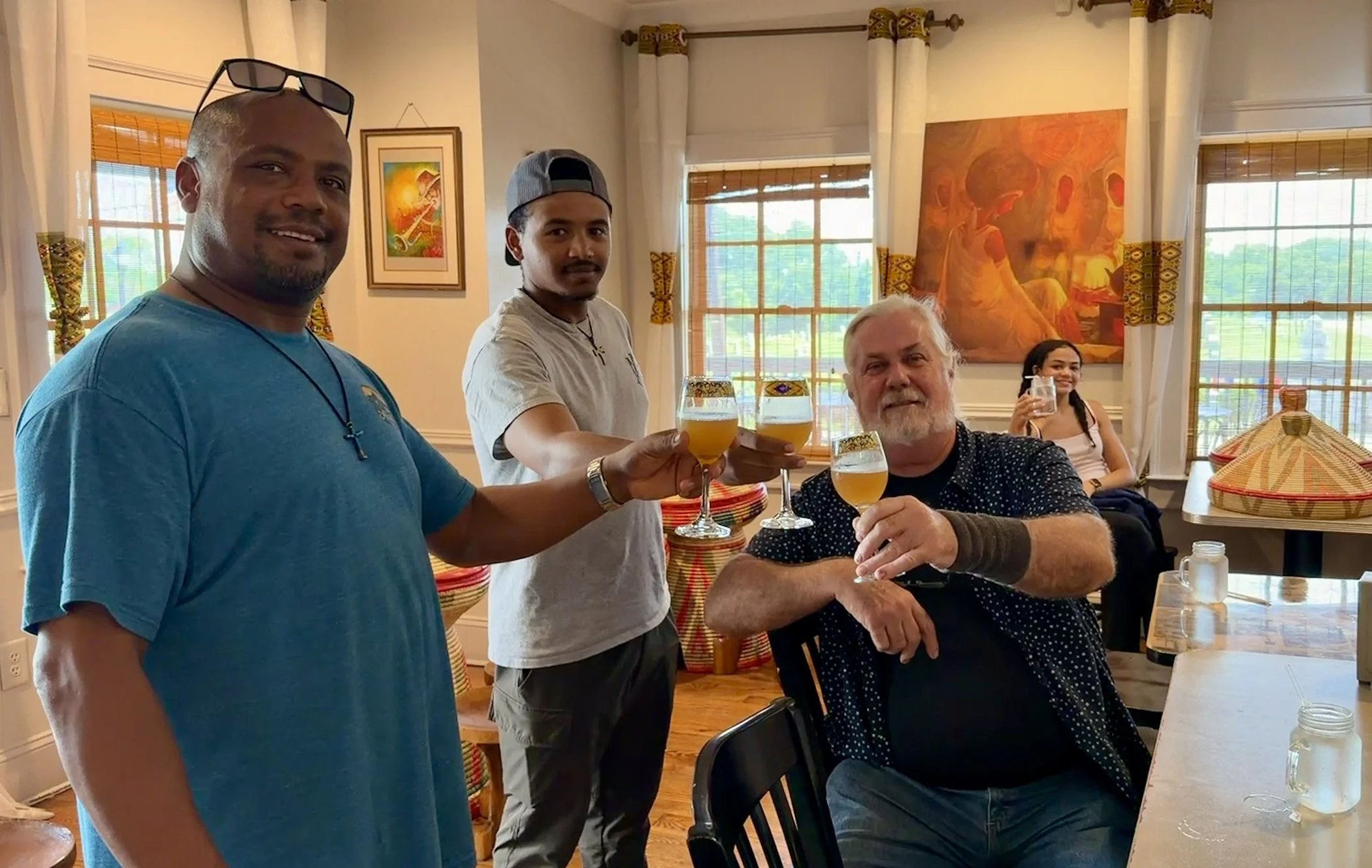
Celebrating the arrival to Atlanta at an Ethiopian Restaurant.
Sefew had been in contact with a person who works in the Atlanta airport for Ethiopian Airlines, so they weren’t as surprised to see us come in with 61 boxes weighing about 50 pounds each. The check-in went smoothly, and I am grateful for their kindness.
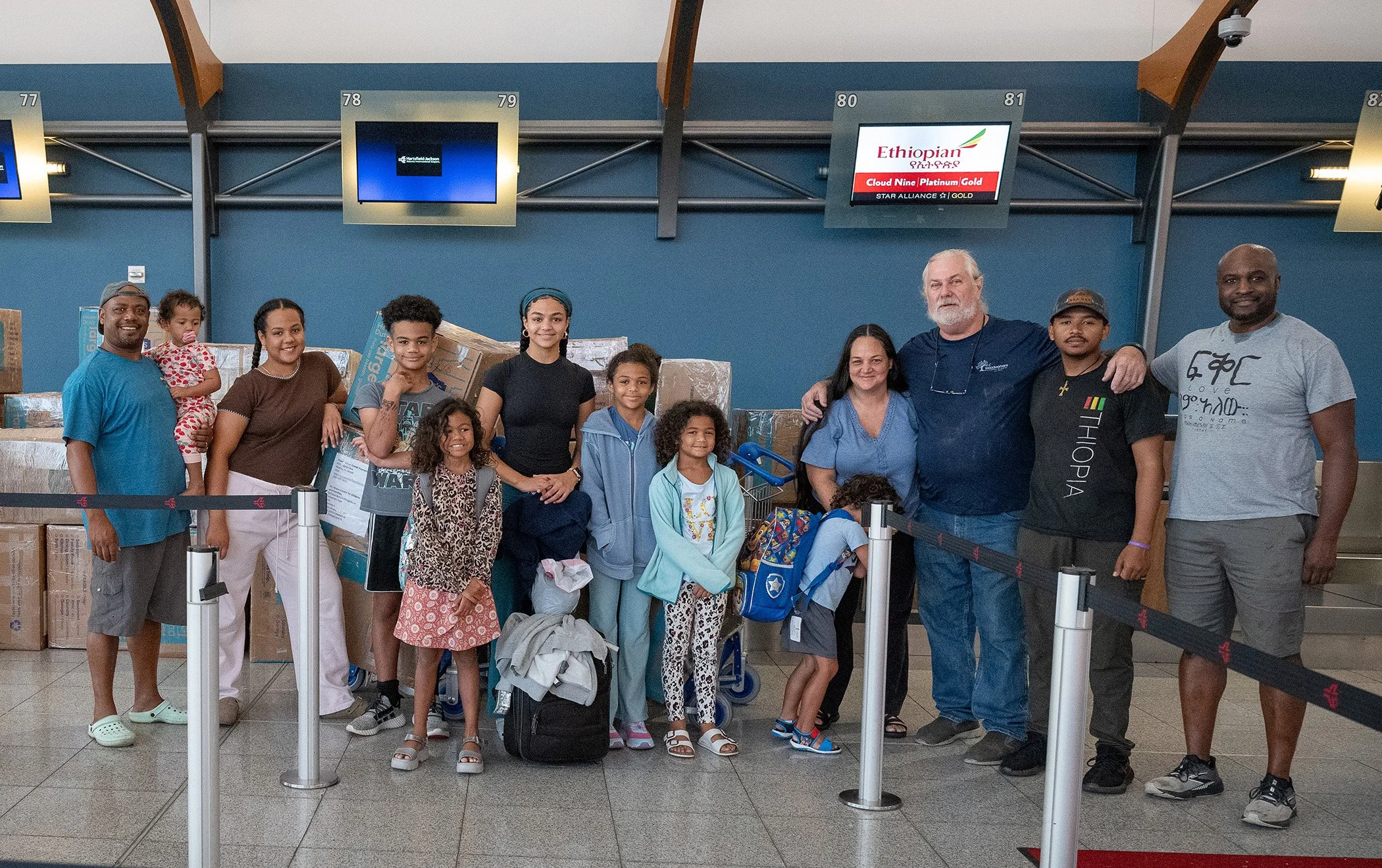
Checking in all the boxes with our family and amazing team at the ATL.
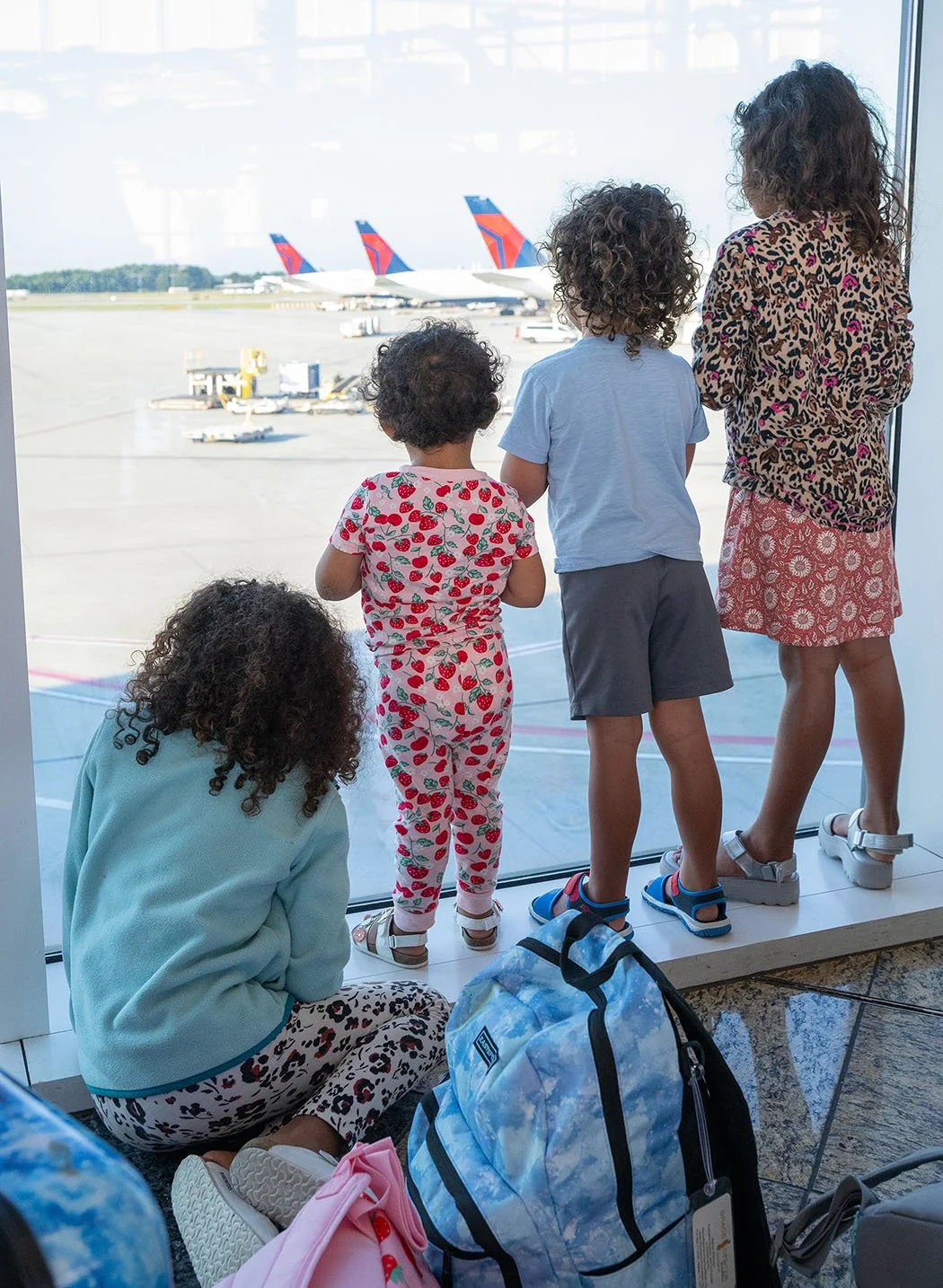
One of the many great photos by Theresa Finck TheresaFinckPhotography.com
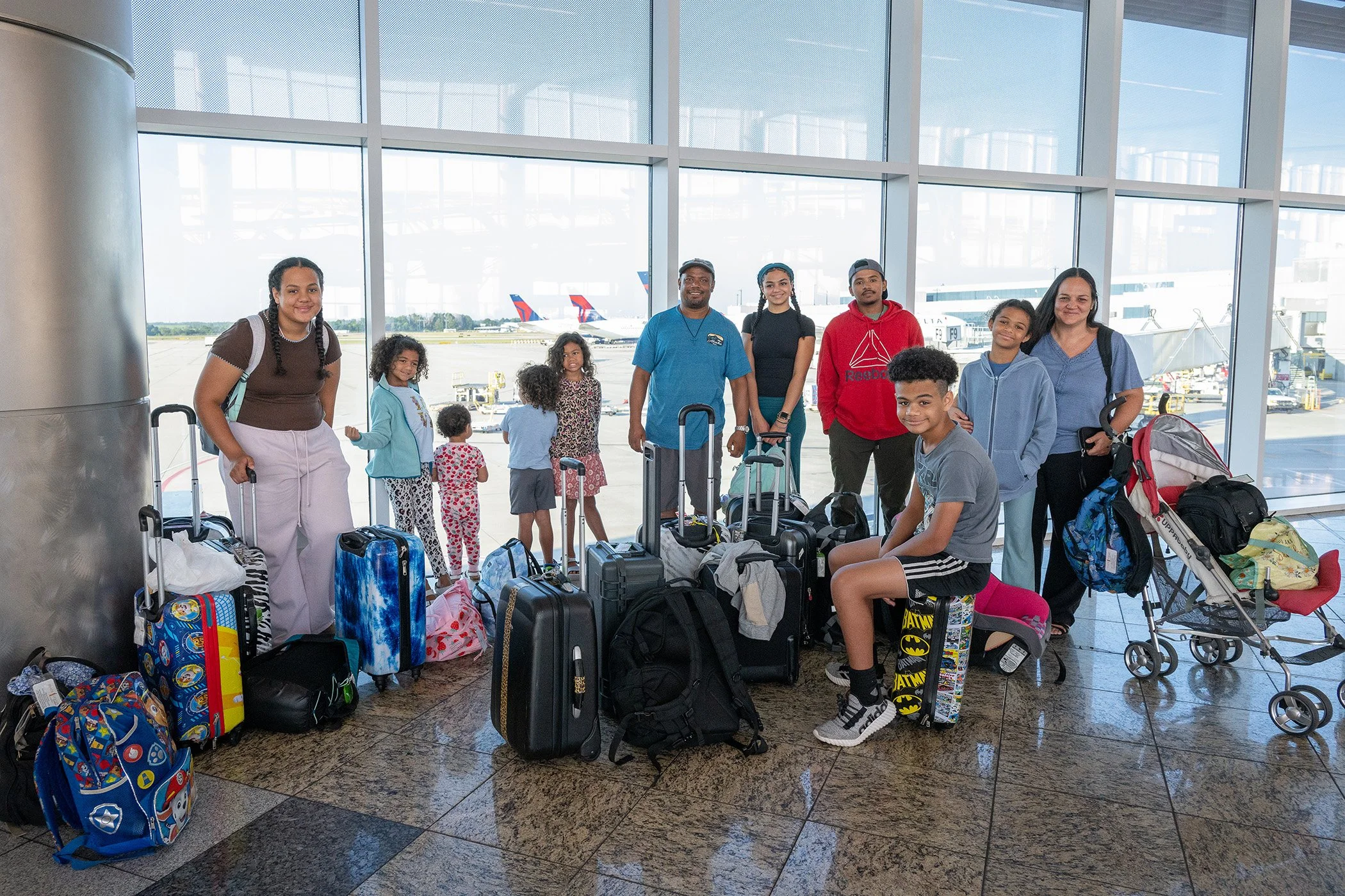
There is one issue that I have had continuously for the last 20 years since I have had children, and that is that the airlines never seat us together. We were all over the plane. From the beginning of the plane to the back. One child here, one there. I can never understand how a system would even allow someone to put a child by themselves. But I always have to fight to get us seated mostly together as a family. For some reason, this time caused me more concern than normal, perhaps because we were traveling with more boxes and carry-ons than before, and people are increasingly reluctant to change their seats these days.
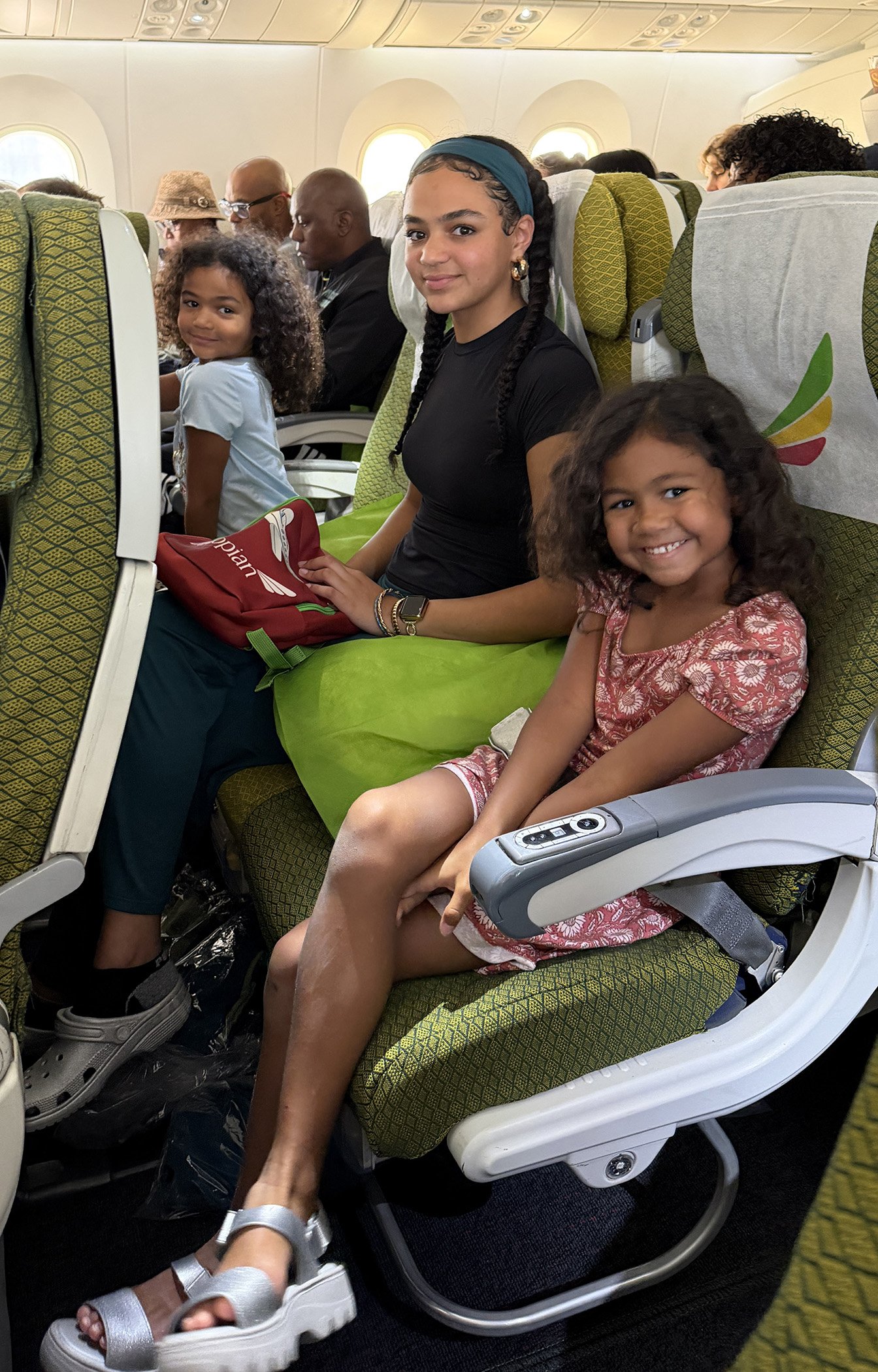
After fighting with the flight attendants and announcing that I have been flying back and forth to Ethiopia for more than 20 years and not once have they sat us together as a family, I managed to have most of us sitting together. Sefew was in a middle seat across the plane, which I didn’t think would be that much of a problem, but I underestimated how challenging it would be to keep Rebekah occupied. It was probably one of the most difficult flights. The man who sat in the aisle seat next to Sefew was a Muslim and was constantly doing the rituals that come with it and told Sefew he was not allowed to get up during that time. In the end, if just one more person had been willing to change seats, there would have been a couple hundred people who would have had a much more peaceful flight because Rebekah wouldn’t have been on the other side of the plane screaming for Daddy.
We arrived in Ethiopia and collected the boxes. Only 21 arrived with us, but we were told ahead of time that not all of the boxes would fit on the flight. I was just happy we could send them, so that was fine. We were told the rest of the boxes would arrive a few days later, on a Saturday. We went through security and customs amazingly well, and we began another new experience in Ethiopia in a rental house not far from the airport in Addis Ababa, Ethiopia’s capital city.
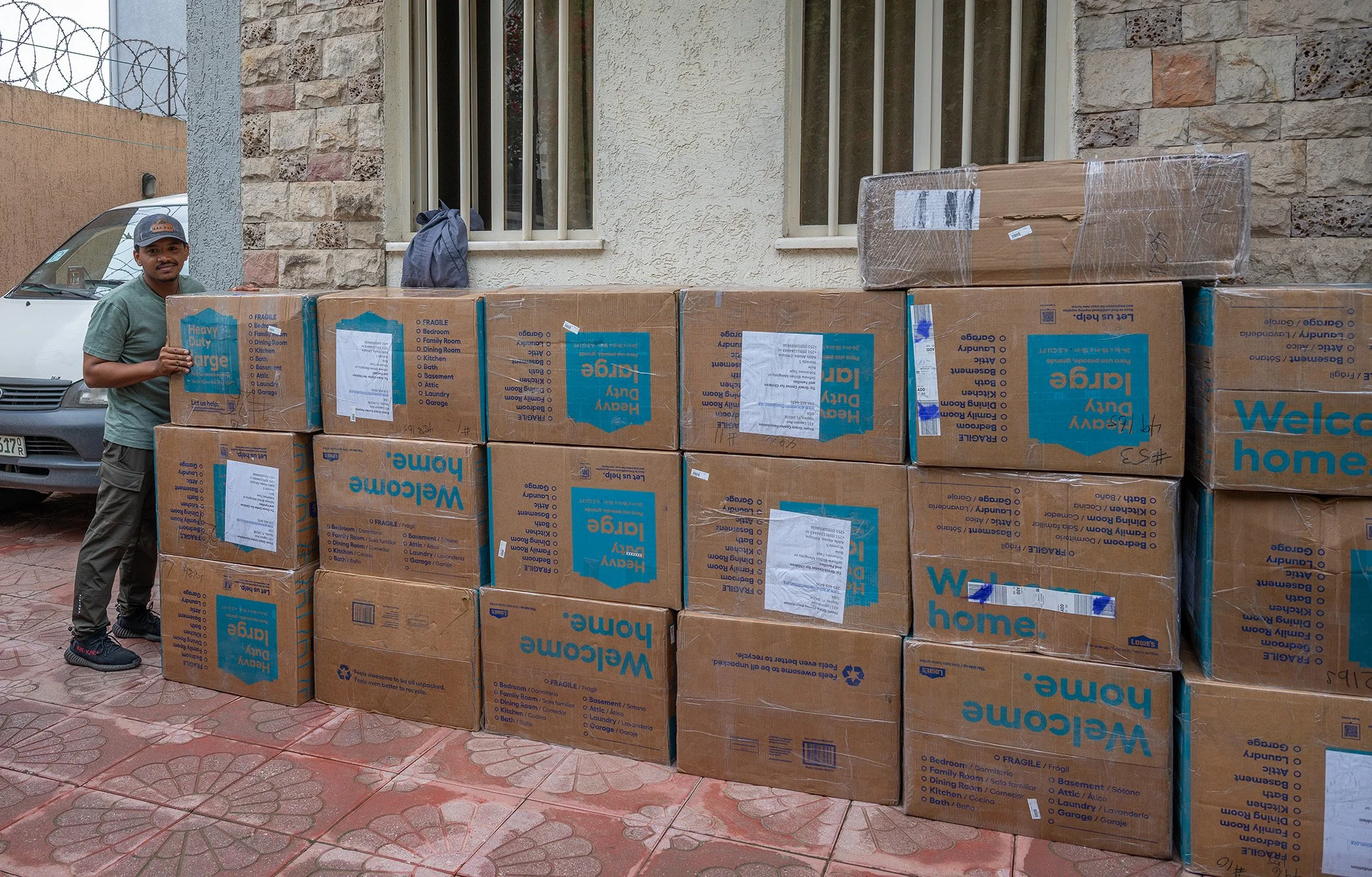
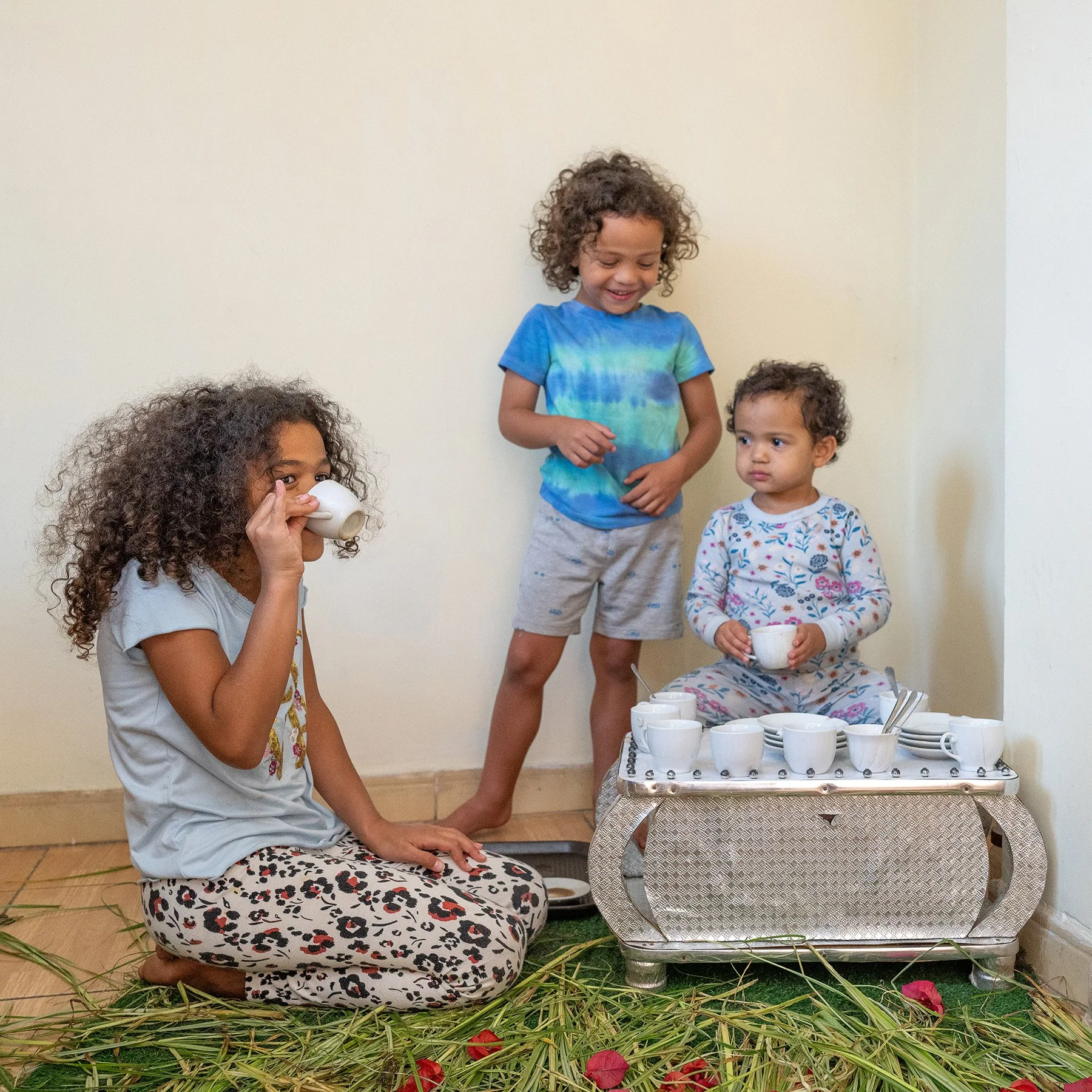
We returned to the airport on Saturday morning around 9:00 a.m. to collect the remaining 38 boxes.
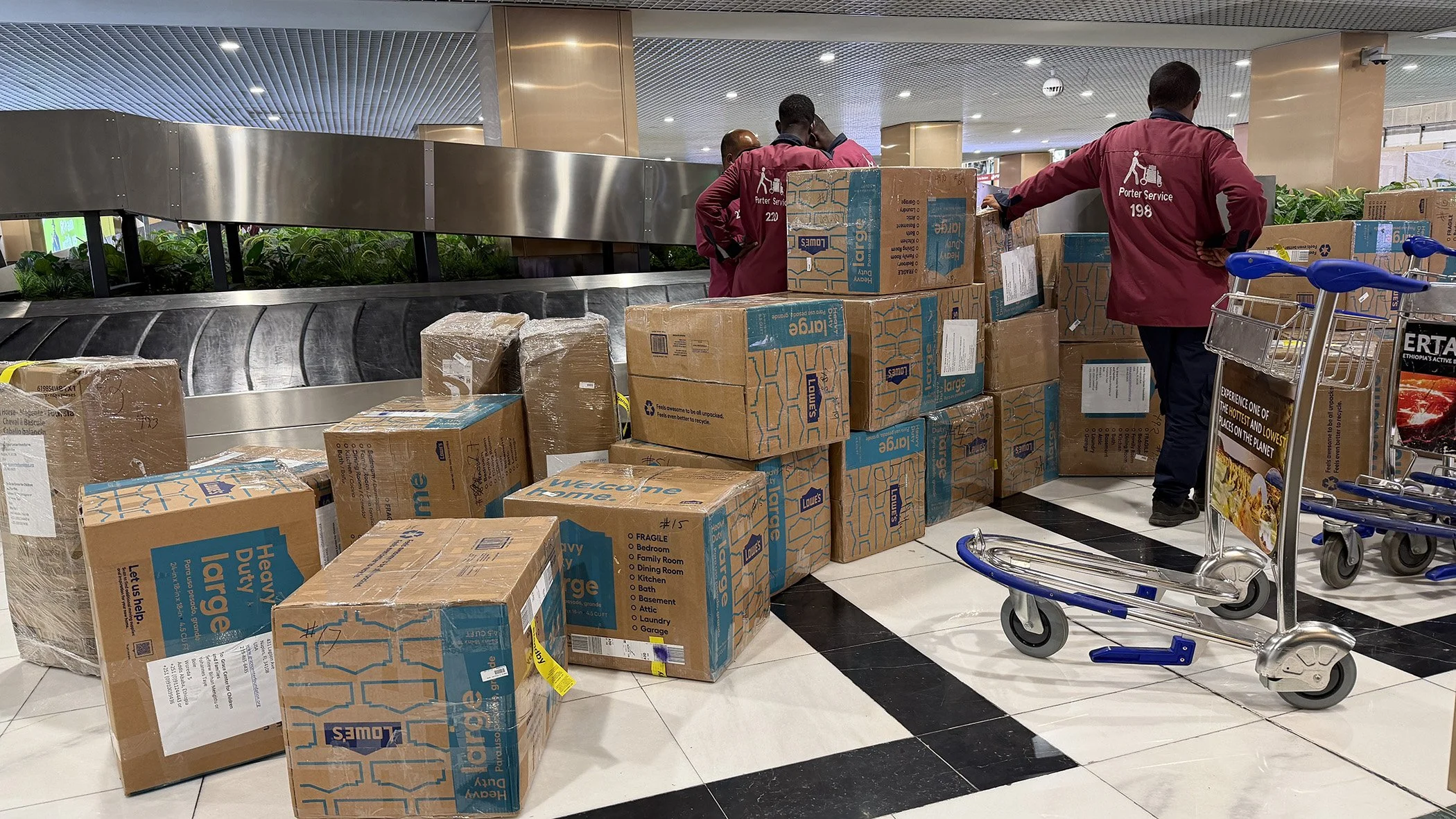
As we were exiting the airport, we were stopped by customs. They began asking questions, and then they said they needed to search every box. The woman in charge of customs was so angry with us. “How do you think you can bring all this in? It’s too much.”
I calmly responded, saying, “We have our project documents and all the proper papers we need. We are allowed to bring all these items duty-free. Plus, we serve over 50 thousand people a year, so these items are a very small amount of what is needed to run the project.”
She didn’t believe me and said she had never heard of our project, and so it must not exist.
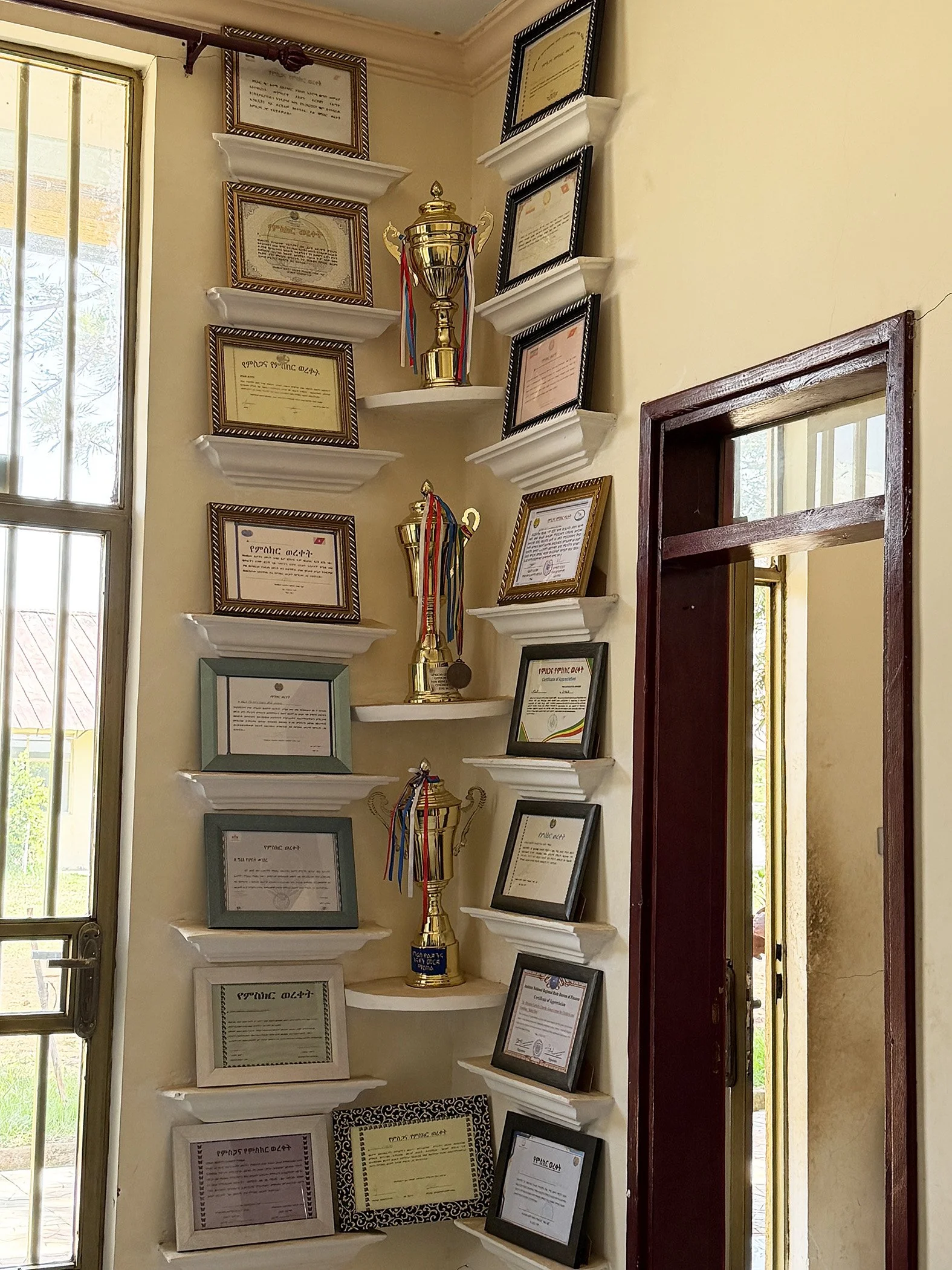
Sefew went on to explain that it does exist, and we have been awarded as one of the top charities in Ethiopia for a number of years. This is a photo of our current awards.
In the beginning, our efforts seemed fruitless, and hours went by as they opened each and every box and pulled out nearly all of the new shoes I had brought over, and any clothing that looked similar, like the vacation bible school t-shirts that were given to us, and our friends from the And We Know podcast, who had given us many sweatshirts and t-shirts, even t-shirts our photographer friend Theresa had bought before coming over were put aside in piles. The floor where all our things had been thrown was so dirty that I asked if I could move the items off the floor and onto this metal shelf. As I began doing that, I saw the shelf was probably just as dirty.
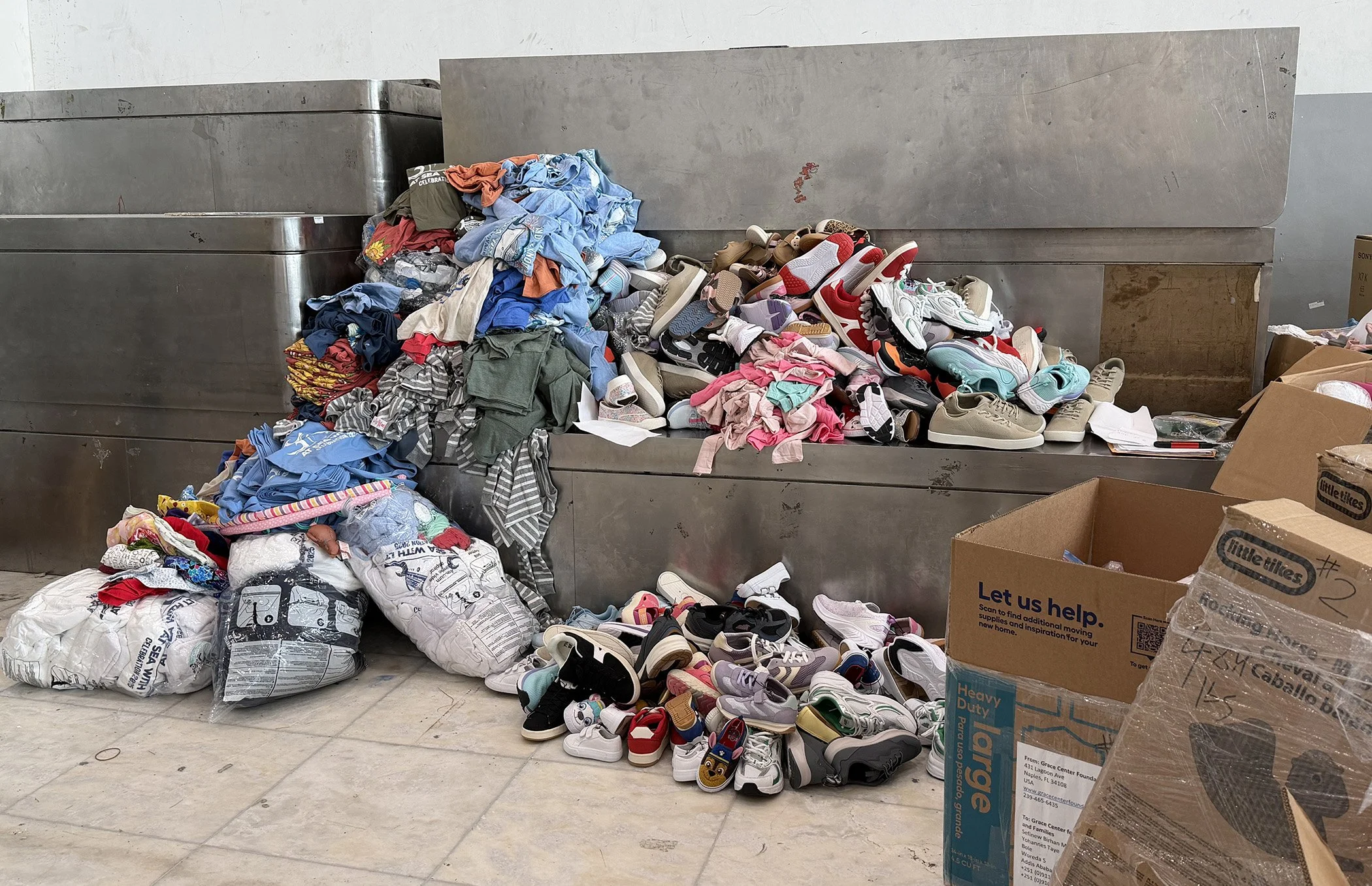
There were two men who spent the entire time going through the boxes and then counting the items. About five hours had passed, and we were waiting for someone to come from the customs cargo department. Since I wasn’t leaving the items and neither were they, I took the opportunity to start telling stories and showing videos and photos from Grace Center. I told them about Wubet, our boy who had a large growth on his foot and how God healed him. I showed them the photos. Then I showed them the photo of one of our babies who had been found buried alive. I told them we have 45 abandoned babies right now. One of the men walked away for a few minutes. I didn’t see this, but Sefew said he was crying. When he came back, he said, “Put these items in one of the boxes, hurry.” He said if it was him, he wouldn’t be giving us a problem about any of this. Sefew and I offered to buy these men lunch, but they declined the offer. In the end, we had to win over the head woman who didn’t seem happy with us to begin with. At one point I was standing up, and I was becoming more frustrated just standing there staring at her. She said, “Sit down. You are tired.”
I responded, “I don’t need to sit. I’m not tired. I haven’t slept much in 20 years, and I am fine with that.”
I told her some of the same stories that I had told the other two men. She said no one has ever brought so many boxes on the plane. Then I said, “You are new here,” and showed her the photo of us last year with 54 boxes. “We always bring supplies for our children at Grace Center.”
While we were there, Sefew called the former ambassador to the US embassy, whom we had spoken to before leaving the US, and his office had given us a letter, but it wasn’t addressed to customs at the airport, so they wouldn’t accept it. He said he wanted to help, but it was Saturday, so there was no way he could help. Then Sefew called up the president of our region (like the equivalent of a governor in the US), and we talked to him. He said, “I wish you would have told us ahead of time you were coming. Sefew said, “We did. We told the ambassador, but they addressed the letter to the wrong people, and they won’t accept it.”
Even with us talking on speakerphone to these people during this ordeal, they still wouldn’t let us leave with our items.
Then Sefew showed them the video from last year of when I surprised everyone and how happy they were to see me. Then it was as if the veil was lifted, and suddenly, they believed us. We showed them photos of our family, and she was amazed to see all our children and kept saying how they look so much like me. In the end, she said, “Next time I will help you.”
I would have liked it if she could have helped us this time. About six hours into this process, they had searched every box and were left with piles of stuff they weren’t willing to let us leave with. Sefew sent me to the house with the boxes we were allowed to have. We wanted to get those boxes out of the airport because every time a new staff member came, they would say, “Are you sure you searched all of these?” We didn’t want to have to go through the whole process again. An afternoon rainstorm was coming, and we tried to make it back before the rain. Some of the boxes did get wet.
For the several hours we were at customs in the airport, I felt a bit like my head was spinning. Many times, I felt like I had that sick feeling that I was being robbed and there was nothing I could do about it. I left Sefew at the airport thinking he would soon follow. However, several hours had passed, and I began to be concerned as it was now dark. In the end, we had to make a decision. Either we leave the items along with Sefew’s passport at customs and pray no one touches them and try to get the letters they want us to show them, or we move the items to the customs cargo department where they charge hefty storage fees until we can prove we have the necessary documents or have paid the tax. Sefew put the items in boxes and taped them up, leaving the boxes and his passport there, praying he would get the letter the next business day, Monday. It had long been dark by the time he got home, and he said it was such a difficult day. In the end, it felt so disheartening. After more than 20 years of serving in Ethiopia, we had never been treated harshly.
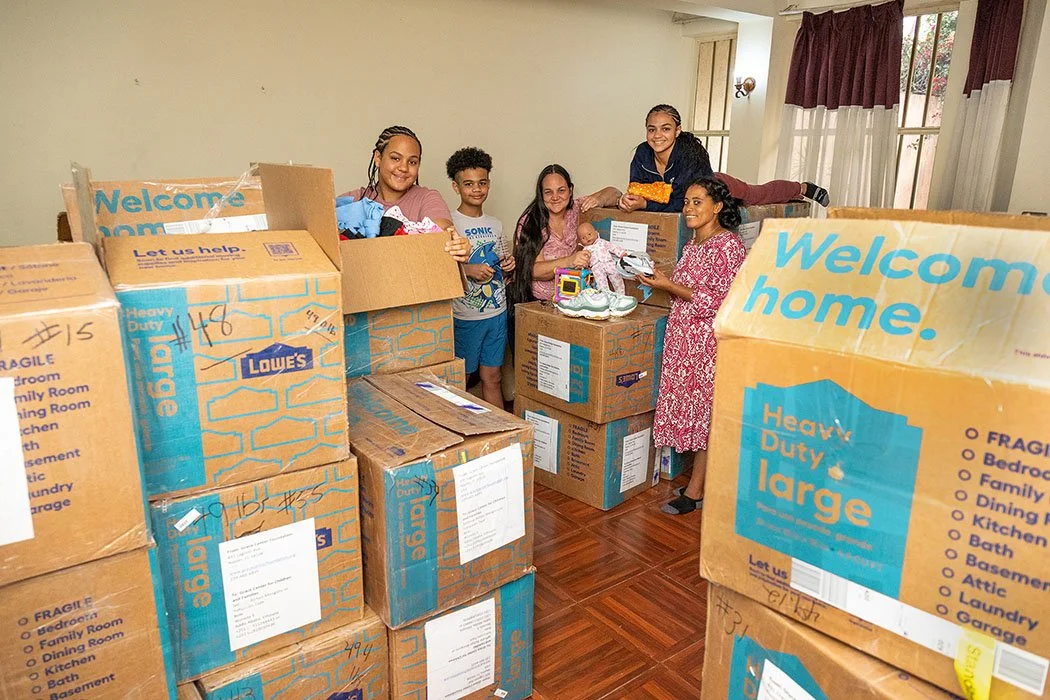
We began sorting the boxes we did have, and we also prepared to make the next flight from Addis Ababa to Bahir Dar, where Grace Center is. We had planned to stay in Bahir Dar the entire week, but I had this dream, and it was confirmed by Sefew saying, “We shouldn’t be here,” so we were only there a few days. When we returned to Addis, Sefew spent several days going from one office to the next trying to obtain the letters he needed to clear our boxes through customs and retrieve his passport. At one office, he helped a woman draft a letter, and then she said that she needed to get it signed. He said, “Ok. I will wait.”
She said, “No one is here now.”
Sefew said, “I can come back after lunch.”
Then she said, “You want to finish this today??? But we never finish anything in one day.”
Sefew laughed so loud, “Why wouldn’t you be able to finish it in one day? Is this a cultural thing, or what is the reason?”
She said, “I don’t know. We just have never done that.”
He said the woman also started laughing. Sefew returned the next day to all the offices again. He was able to get two letters and went back to the airport with the two letters, where he was told these aren’t from the correct office.
Then returned to the office where he had had the conversation with this woman, and she said that they weren’t going to write a letter. In the end, he was told it would take longer than three months for him to get the items out of customs, so he either needs to pay the duty or do the process for the next three months. I felt a bit more stressed, but Theresa said, “Let’s pray.” And I remember saying in my prayer, “Lord, I am excited to see how you are going to take care of this.”
Sefew is very smart in how he gets things done. He always gets people’s contacts and calls them. He had gotten the phone number for the customs officer who had walked away crying after I told him stories from Grace Center. He called him up, saying, “They are telling me it will take three months. What should I do?”
He said, “All those photos and stories you told me and the videos, go and show them to the head of customs for Ethiopia. And beg him to let you bring these items through.”
Sefew was able to get into this restricted office, and the man’s secretary came out. He showed her the videos and told her about the dilemma. She said, “Let me talk first.”
She came back saying, “I have already explained everything; you just need to introduce yourself.”
Sefew did that, and this man responded by saying, “We will let you take your items out, just this once.”
At that, Sefew returned with the approval letter to the customs at the airport. Some people were angry that he had gained favor. Nonetheless, I was in Bahir Dar at the time with Netsi, Naomi, and Theresa, and he messaged me a photo of the boxes outside the airport, saying, “Done!”
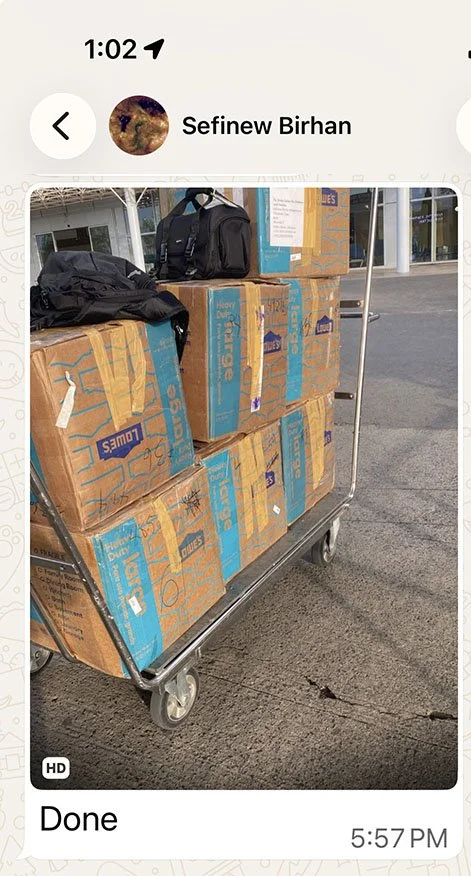
It felt like a miracle. God moved in an amazing way when there seemed to be no way. Sefew also got his passport back as well. Sometimes, I think about how God does so many things just for me, and I just can’t comprehend it.
We have had an exciting first few weeks. Immediately after our arrival, we had our Grace Academy Kindergarten graduation, which I will share more about in the next email.
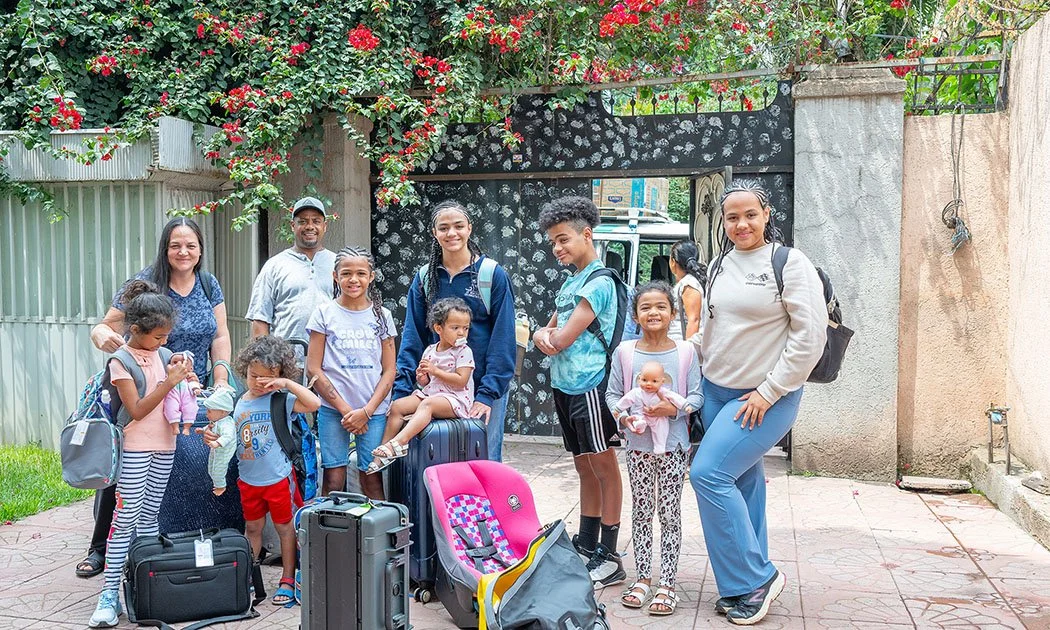
After arriving in Addis Ababa as we were heading to Bahir Dar.
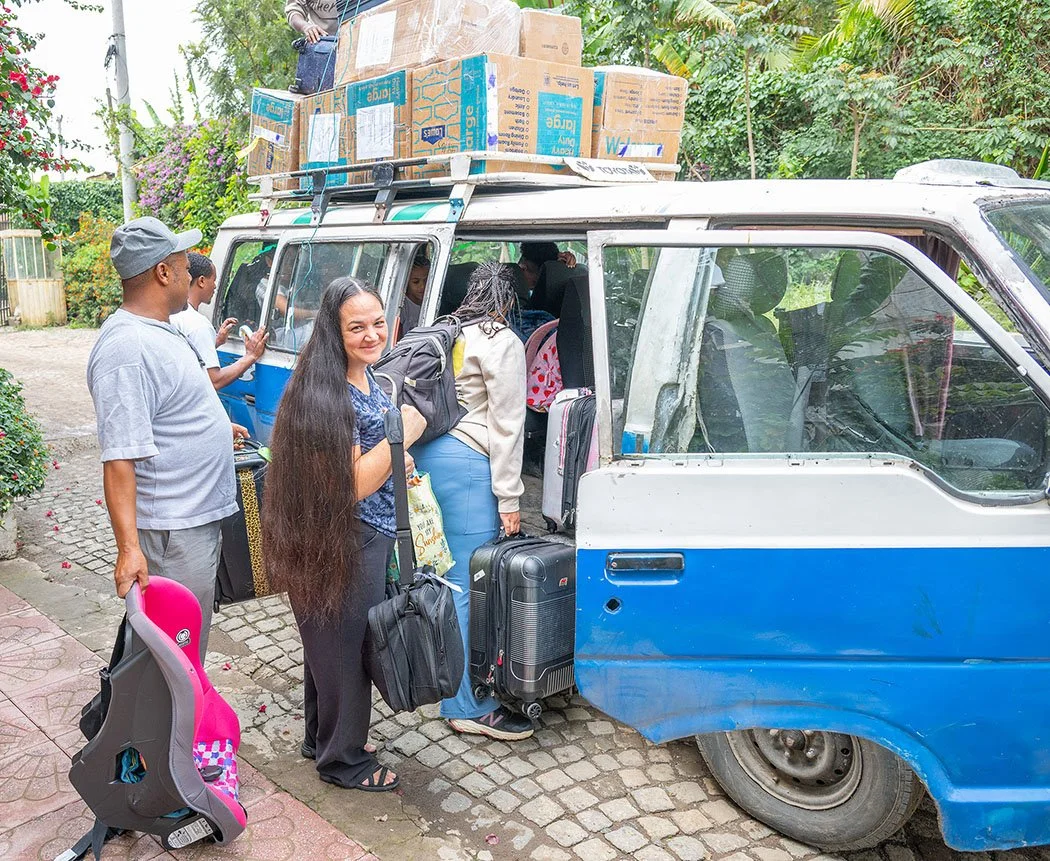
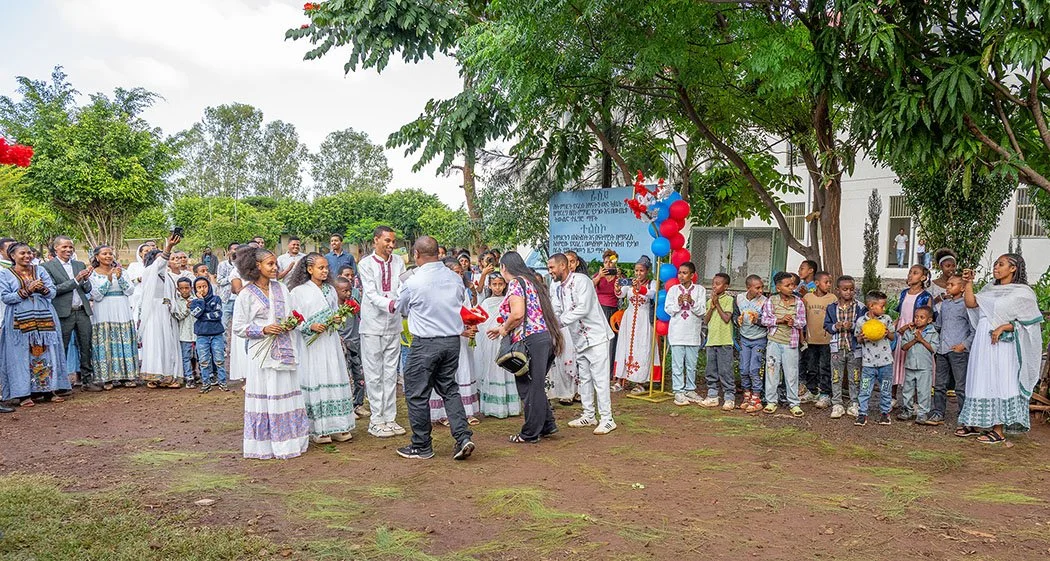
Another one of the many wonderful photos by Theresa Finck TheresaFinckPhotography.com
I also had the opportunity to begin praying with more of our moms. I always love praying with people. We were able to see a brother of one of our moms saved after he had been shot and was in critical condition. I believe the timing of our prayer has saved his life, and we are praying for his full healing.
I will share more photos, videos, and stories in the weeks to come. For now, I wanted to reach out and share what an adventure it was just getting there.
Thank you for your great partnership with us at Grace Center!